

Are you making your kids soft? After coaching for years, there is one thing that has always been around…parents that coddle their kids to the point that it impacts their ability to play. With an increasing number of parents adopting a “coddling” approach, particularly in the realm of youth sports. While well-intentioned, this overprotective behavior can have detrimental effects on children’s development, both on and off the field. Here is what the future holds.
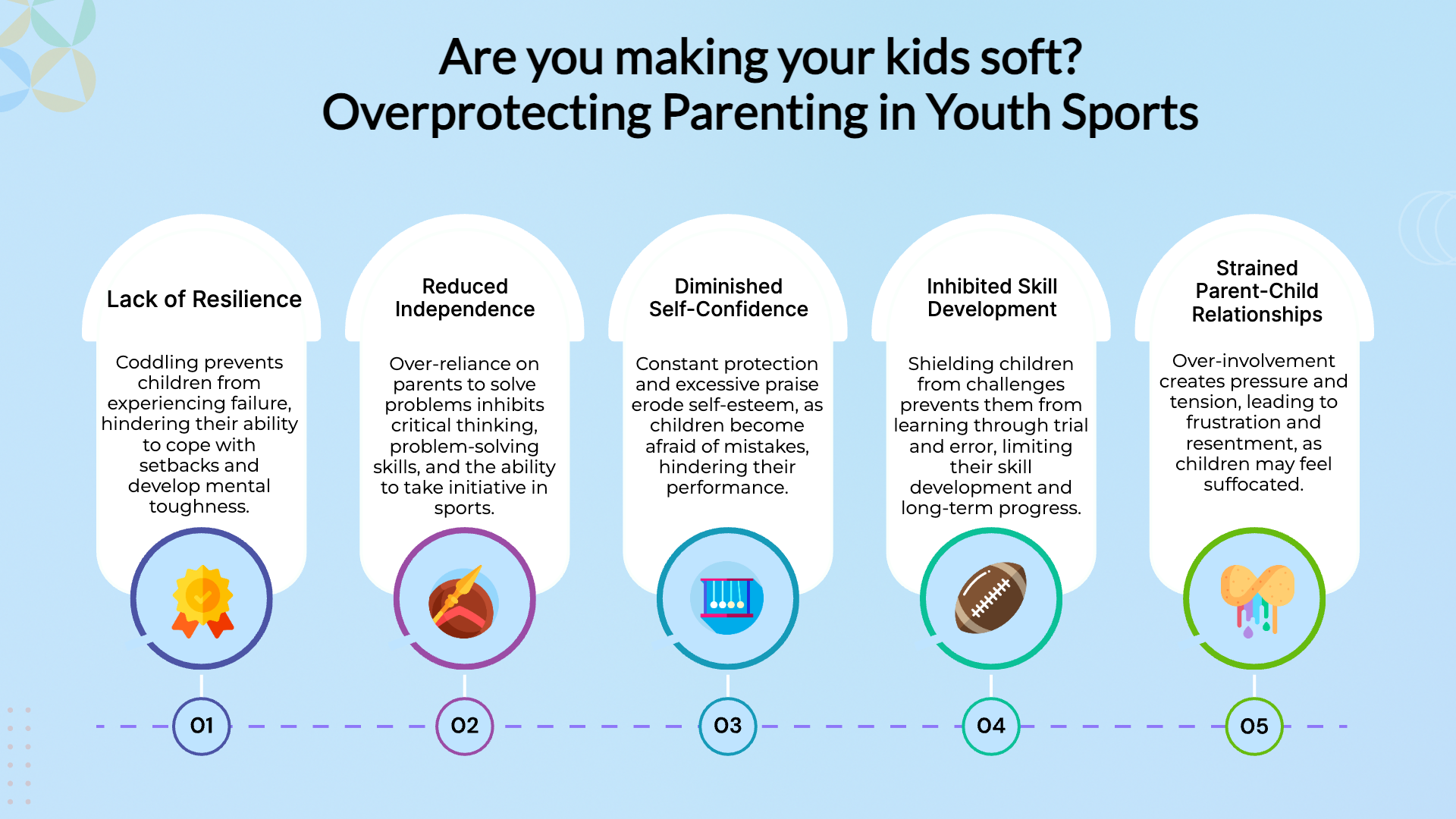
1. Lack of Resilience
Coddled kids may struggle to develop resilience, as they are shielded from experiencing failure, disappointment, and adversity. In sports, setbacks are inevitable, and learning to cope with defeat and bounce back stronger is a valuable life skill. When parents intervene to protect their children from every setback or disappointment, they rob them of the opportunity to learn resilience and develop the mental toughness needed to overcome challenges in sports and beyond.
The failure part is the most troubling. Kids that are afraid to fail or always think they are amazing, will never truly be able to develop over the long term.
2. Reduced Independence
Coddled kids may become overly reliant on their parents to solve problems, make decisions, and advocate for them in sports settings. This dependence can hinder their ability to think critically, problem-solve, and take initiative on their own.
In sports, fostering independence is crucial for developing athletes who can think for themselves, communicate effectively, and navigate the complexities of competition independently.
3. Diminished Self-Confidence
Constantly being coddled and protected can erode children’s self-confidence and self-esteem. When parents excessively praise and shelter their children from failure, they send the message that mistakes are unacceptable and undermine their confidence in their abilities. In sports, a lack of confidence can hinder performance and prevent athletes from reaching their full potential.
You can’t be confident in your play unless you fall again and again. Building self-confidence requires allowing children to take risks, make mistakes, and learn from their experiences without fear of judgment or criticism.
4. Inhibited Skill Development
Coddled kids may miss out on valuable opportunities for skill development and growth in sports. When parents intervene to ensure their children’s success or shield them from challenging situations, they deprive them of the chance to learn through trial and error, practice perseverance, and refine their skills through hard work and dedication.
In the long run, this can stunt their progress and limit their ability to reach higher levels of achievement in their sport.
5. Strained Parent-Child Relationships
Coddling can strain parent-child relationships, leading to tension, frustration, and resentment on both sides. When parents become overly involved in their children’s sports experiences, it can create a dynamic of pressure, expectations, and performance anxiety that detracts from the enjoyment and camaraderie of the sport.
Children may feel suffocated by their parents’ constant presence and interference, leading to feelings of frustration and a desire for autonomy.
Finding a Balanced Approach
While it’s natural for parents to want to protect and support their children, finding a balanced approach to youth sports is essential for promoting healthy development and well-being. Encouraging independence, resilience, and self-confidence in children requires allowing them to experience failure, setbacks, and challenges in sports while providing guidance, support, and encouragement along the way.
Steps Parents Can Take to Support Their Children
- Encouraging them to take ownership of their sports experiences and make decisions independently.
- Providing constructive feedback and praise that focuses on effort, improvement, and resilience.
- Allowing them to face challenges and setbacks in sports and offering guidance and support to help them navigate these situations.
- Fostering open communication and a supportive, trusting relationship built on mutual respect and understanding.
In conclusion, while it’s natural for parents to want to protect their children from hardship and adversity, coddling them in sports can have negative consequences for their development and well-being. By fostering independence, resilience, and self-confidence in children and finding a balanced approach to youth sports, parents can support their children’s growth and success both on and off the field.


